
Planning and Budgeting
How can you help me choose the right career path?
We will look into your background, including your education, your interests, and the courses related to your field. After understanding all of this, we can guide you on your career path. If you are eligible to go abroad, we will explain the process. If not, we will guide you on how you can build your career in Pakistan through business, a job, or freelancing.
How can we assist students in selecting the best university and course?
You will provide us with your assessment, including the field you have studied, the courses you have taken, your areas of interest, and your background. Based on this information, we will suggest the universities or courses abroad that would best fit you.
Can you help with visit visa applications for any country?
We provide visit visas for all countries, including the United States, the United Kingdom, Canada, Australia, and several Schengen and Gulf states (Saudi Arabia, Oman, Qatar, Iraq, Kuwait, and Bahrain). From Application to accommodation, we offer comprehensive services to ensure a smooth process.
How do I start the process of studying abroad?
You will discuss with Us which country you have selected and the course you are applying for. After this, We will handle your visa process. The time for visa approval depends on the process; if you aim for a January intake, you should start the process 2 to 3 months in advance, although sometimes it can take 4 to 6 months.
Where Can a Student Go to Study?
You can apply for a study visa to countries like the United States, United Kingdom, Canada, Australia, and Germany. Additionally, you can also consider New Zealand, Ireland, France, and the Netherlands for study visas. However, we highly recommend the United Kingdom due to its excellent education system and opportunities.
Our team has personal experience in the UK; our team members themselves have studied in the UK.
Why should a student go to the UK?
We recommend the UK because of its excellent education system. Here, an MSc degree can be completed in just one year and a bachelor’s degree in three years, whereas in other countries, these degrees typically take 2 to 4 years. After completing your studies, the chances of job success are higher in the UK, and its degrees are globally recognized. Additionally, you are eligible for a work permit to secure a job, and after obtaining permanent residency, you can settle in the UK. During your studies, you can easily find work, whether it’s at a shop, takeaway, or restaurant. You could even get a security job or a full-time job. You can also receive your pay directly in cash.
Our team has personal experience in the UK; our team members themselves have studied in the UK.
Which city and university he/she needed to choose in uk
Which subject does he/she (student) need to choose?
Once you fill out our assessment form, based on the details provided, we will inform you about the best course options for you. We will guide you on which degree is most relevant to your course and outline the choices available to you, ensuring they align with your background and goals.
What will be the expense.
We will provide you with a detailed breakdown of all the expenses related to your course and country. This will include university fees, visa fees, English test fees, TB test fees, bank statement fees, insurance fees, and living expenses. Additionally, there might be other small expenses, such as documentation fees and miscellaneous charges.
Are there any hidden fees or tricks?
Many consultants In Pakistan do not inform students about hidden fees or tricks. For example, there could be hidden costs such as Enrollment fees after reaching the UK. Some students go after paying only half the fee, but once they arrive, the university might demand 70% of the remaining fee or other unexpected charges.
But we will inform you about every single hidden expense because we have personal experience in the UK. We know what expenses can arise there, which you might not anticipate while sitting in Pakistan but become apparent once you arrive.
What purpose he/she is going for?
We understand why students go abroad, and our team, including the director, has experience with study visas and work. So, we will explain and guide you through each and every detail. There can be two main goals for someone going abroad: either they go for studies, complete their education, and return to Pakistan to start work in their field, or they choose to stay abroad after completing their degree, obtain a work permit, and work there. The decision depends on individual goals and career aspirations after completing the study visa process.
How will you guide me through each step?
We will explain everything to you in detail and advise you to properly note down each step on paper so that you remember all the steps and avoid any confusion later. We won’t give you vague or irrelevant information but will focus on real and practical points.
Any questions he can ask will tell him proper.
In our session, we will provide you with proper training and guidance. During this time, you can ask any type of question, and we will answer it. Whatever you might be thinking, we have already experienced it practically, so feel free to ask any questions easily.
Before his visa what things he needs to do?
First of all, their assessment will be conducted by us. We will inform them about the university, and after that, they will be told about the fees. They should know the total fees, the initial deposit, which test they need to pass, and what the expenses will be. Any hidden expenses should also be disclosed to them. Once their visa is approved, they need to know from which airport to book their ticket. They must arrange their accommodation in advance and also make arrangements for who will pick them up from the airport.
What is Enrollment Fee?
Enrollment fee is paid when you leave for the UK. The university enrolls you to confirm that you have arrived in the UK, checked your passport, and submitted your documents. Once everything is verified and okay, the student’s enrollment is completed, similar to how we register in our education system after paying the fees. Afterward, we get access to the portal, and all the records are stored online. Similarly, enrollment is done in the UK.
English Test
Should I take an English test? or What is the percentage required in the English test?
Most universities require an English test for admission. You can take tests like IELTS, TOEFL, PTE, or OET. However, we recommend IELTS because it is widely accepted by almost all universities, and it has high demand. Other English tests may not be accepted by every university, making IELTS a safer and more flexible option for your application.
Visa, English Test, and Documentation
Do I need to prepare for an English proficiency test?
If English isn’t your first language, an English test like IELTS or TOEFL is typically required. We will guide you through test preparation.
What is my percentage in English, and how does it affect my application?
Your English proficiency is important for university admission and visa purposes. We’ll help you assess your current level and improve if necessary.
What is the purpose of my study abroad journey?
Clarifying the purpose of your study will help with university applications and your visa interview.
Do I need a backup plan?
Having a backup plan is crucial in case things don’t go as expected. We will discuss all possible scenarios and alternatives.
Will I be informed of every single step?
We will guide you through every step of the process, from application to arrival, ensuring you understand and keep track of everything.
Should I write down everything during this process?
Yes, keeping a record of every document, deadline, and communication will help you stay organized.
What questions can I ask throughout the process?
Feel free to ask questions at any stage, and we will provide proper guidance.
What do I need to do before my visa is approved?
You must ensure you have all required documents, prepare for interviews, and manage your finances before applying.
Arrival and Accommodation
What are the manners I should know when living in the UK?
If you accidentally bump into someone in the UK, apologize to them. If someone gives you way, thank them. If there’s a queue, follow it, and don’t try to cut in. Walk gently and dress properly. Avoid rushing in crowded places, mind your own business, and don’t interfere in others’ matters. Keep your home clean and maintain cleanliness in your surroundings.

How do I split expenses with friends?
Splitwise is an app where you can add all your expenses. It automatically divides the expenses. The more people you add, the expenses will be equally distributed among them. In the end, you will know who owes how much to whom. All the calculations are done on this app.

What are the questions and answers at the airport in Pakistan or the UK?
Yes, at the airport in Pakistan, you may be asked questions such as: What is the reason for your travel? How long are you going for? What are you carrying with you? Do you have enough funds to support yourself in the UK? These are normal questions.
When you arrive at the airport in the UK, they will also ask you questions. They already know why you are there, but they still ask normal questions such as: Why have you come to the UK for study? Will you return after your studies? Why didn’t you do this course in Pakistan, etc.?
What to bring and what not to bring in luggage?
When a student is traveling to the UK for the first time, it’s natural to have questions. If they are confident, they can bring two packets of cigarettes, which is official. However, the person who is nervous or doesn’t understand this may prefer not to bring them. It’s better to avoid carrying any liquid items, as this could lead to a lot of questions, especially from the Pakistani officials. It’s safer not to carry items like ghee. While it’s allowed, it’s better not to bring it just for safety reasons. If they are told it’s fine to carry, then they can hand it over to someone who is leaving if necessary. Avoid carrying anything that might create problems for you in the UK.
Carry everything carefully and make sure you pack it yourself. Check everything, including your bag, to ensure nothing is added without your knowledge, especially if you have issues with someone who might try to plant something in your bag to create problems for you. It’s important to avoid situations like this.
On Arrival and Settling In
How do I handle the process after landing?
You have arrived in the UK and are out of the airport. If someone is there to pick you up, then it’s fine, and you can go with them. In that case, there won’t be much of an issue with accommodation. However, if no one is there to pick you up, we will tell you to book an Uber. You need to download the Uber app, and then we will guide you on how to use it and how to provide the address. Clearly, if someone is traveling to the UK, they will 100% have arranged their accommodation in advance. The worst-case scenario would be no accommodation, but for students coming through us, we will arrange accommodation for them for 4 to 5 days so they can manage. Although this process should be done before leaving, we will guide you on how to arrange accommodation. There is a website called Rightmove, and the largest marketplace is Facebook, where you can find accommodation based on your city. If you have contacts there, you can share their number with us, and we will get in touch with them to assist you and make sure everything is okay and arranged.
Go towards Accommodation
When you arrive there, the first thing you need to do is find your accommodation. There are some essential items you should bring with you, such as shampoo, soap, etc. These items are available in the UK as well, but if someone is completely new, it can be difficult for them to arrange these things. If you know someone there, you won’t need to worry as they will help you. However, try to bring your toothbrush, face wash, shampoo, soap, and towels so that as soon as you arrive, you won’t have to worry about arranging these things or where to get them from. Everything else is available there.
Dressing in the UK
We will tell them what kind of clothes to bring. When traveling from Pakistan to the UK, you should consider the weather there—whether it’s hot or cold. You should have the right kind of shoes, jacket, and trousers. Since it gets very cold there, everything should be thick. Try to bring black attire—black trousers, black shirt, black pants, and black shoes—because it rains frequently there, and rain doesn’t show as much on black clothing. Additionally, stains and marks are less noticeable on black.
Passport size picture With White background
In the UK, every picture is used with a white background, while in Pakistan, blue backgrounds are used. However, in the UK, they require pictures with a white background. When you have to take a class for SIA, they also ask for a white background picture. On any document there, only white background pictures are used, so you should have at least 8 to 10 passport-sized pictures with a white background.
How do you deal with the university regarding installment and all other matters?
When you arrive there, you should already know whether you have paid the university fee or enrollment fee. In addition to that, there are further installments which we will guide you on when to pay them. For example, if you are going in January, your next installment might be due around April or May. If by then you haven’t arranged the money to pay the installment, we will guide you on how to deal with the university. We will explain how to approach the university by email to inform them about your situation, such as saying, “Since I have been here, I’ve been facing some issues, and I will pay the fee, but kindly extend the installment period. Please divide the installment into 2 or 3 parts so that I can manage the fee and my other expenses.”
This is about how to deal with the university. It’s important to always respond to the university’s emails. Sometimes students don’t attend classes and just mark their attendance from home. The university can find out through the location tracking system. Some students fake their location, but even then, the university can catch them. So, it’s important to deal with every matter properly and in a clear way. Don’t let small issues lead to big problems. If you don’t complete your attendance, the university can terminate you. If you don’t complete your study, the university can terminate you. If you don’t submit your assignments, the university can also terminate you. If any plagiarism is found in your assignments, the university can terminate you.
This is a serious matter. Even if you’ve completed all your assignments but have used incorrect or incomplete references, the university can terminate you. In that case, you won’t receive a degree or PSW (Post Study Work) visa; you will only get a diploma. If you do anything fake, the university can terminate you.
So, all university-related matters must be handled properly and clearly. These things are very important. A person sitting in Pakistan may not fully understand how crucial these matters are. But when a person enters the UK, it’s a completely different world from Pakistan. The thought process and everything are different in the UK compared to Pakistan.
University Travel Guidance for Students
The way you will travel to and from the university depends on whether you have a car or a friend who can drop you off and pick you up. If that’s the case, then there is no issue. You can easily commute to the university. However, people there usually don’t have much time. If someone is giving you time, they are either completely free or a very successful businessman whose business is running well, so they can afford to help. But a person who is working won’t be able to give you much time.
That’s why we will guide you on how to travel to the university by bus or train. If you need to take the bus, we will explain how to get a bus pass. If you need to take the train, we will guide you on how to get a train pass. Our team will explain how you can manage all of this and get the passes. The first thing you need to do is tell them that you are a student and show your student card or BRP. This will allow you to get a discount. They will give you a pass, and what would have cost you 2 pounds here, will only cost you 1.5 pounds there. This is because as a student, you get a 20% or 30% discount. This discount is available for both bus and train travel.
How to get your BRP (BRP Collection Process)?
BRP (A Biometric Residence Permit) is proof of the holder’s right to live, work, or study in the UK. It includes biometric information and is used as evidence of immigration status.) is a crucial step there. When we file a visa application and submit everything to the embassy, there is an option to specify where you want to collect your BRP (Biometric Residence Permit). You provide an address along with the postcode. The postcode represents the address, similar to postal codes in Pakistan. Your BRP is sent to this address. It can also be sent to your university, but 99% of the time, you provide the postcode address. When you search for it, you find out that this postcode is the closest to your university. You need to go there and collect your BRP from that location. When you file the visa, you provide the address, and that is where your BRP will arrive. There’s no need to ask anyone or worry about where your BRP will be delivered.
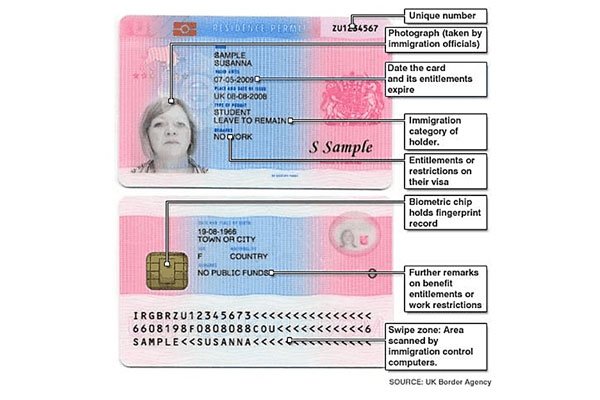
Checking BRP online
There is a website for the Home Office where you can check online whether your BRP (Biometric Residence Permit) is valid or not. Although this is usually not necessary, if you feel that you are facing conflicts with your university, such as issues with emails from the university warning about termination due to unpaid fees, incomplete assignments, or similar concerns, you can use this service. Universities typically do not take such actions quickly but may send these emails as a warning. In such cases, you can visit the Home Office website to verify if your BRP is still valid.
University schedules
First, you need to check your university timetable to see how many days you have classes. If you are a bachelor’s student, you may have classes 3 to 4 days a week. For master’s students, it is typically an average of 2 days a week. You need to check when and how your university classes are scheduled.
The university also has an application. Once your process is underway and you receive your offer letter and CAS, you will also receive an email about the application. They will send you a link where you can download the application, along with login details. Through this application, you can access all the information related to your university and lectures.
This app will show everything, including your student card, lecture schedule, attendance, and more. You need to properly manage your university schedule using this application.
How do I pay rent and all things?
Managing your house rent and other expenses is important. On your phone, you can use Apple Pay, where your card is added to the app. This eliminates the need to carry your card with you every time or keep cash on hand all the time. However, it’s always a good idea to keep some cash with you as a backup. Sometimes, you may encounter situations where cash is needed. For example, some shops, especially those run by Pakistani or Asian owners, do not accept online payments or card transactions—they only accept cash. In such cases, having cash on hand will be helpful.
How do I create a bank account online and physically in the UK?
There are several online banks like Monzo, Monese, Revolut, and Wise, among others. These banks allow you to create an online account easily, typically using your BRP. It’s recommended to create an account with one of these online banks. You can even create two online accounts and one physical account.
A physical account is with a bank that has branches in the area, while online accounts don’t have physical branches but still allow you to perform transactions, send and receive money, and even order a debit card. These are proper banks but operate entirely online. Most students find online accounts beneficial because they don’t keep a detailed track of every small transaction, unlike physical bank accounts, which log every transaction, even for one pound. While this doesn’t usually cause any issues, some people might try to scare you about it. For safety, it’s better to use your physical account minimally.
However, it’s essential to have a physical account so that payments like those from national insurance can be deposited into it.
One advantage of a physical account is that money flowing in and out helps improve your credit score. A credit score is a history maintained by the bank. If your credit score increases, you may qualify for loans in the future, although this is not typically necessary for students. The advantage of an online bank account is that your transactions are not closely monitored, which adds convenience and flexibility.
What is NI number in UK?
In the UK, everyone has an NI (National Insurance) number. Anyone born in the UK will have one, and anyone who moves to the UK, regardless of their visa type, will also be issued an NI number. The National Insurance number is a form of identification and is used to track all transactions related to you.
For instance, students in the UK are allowed to work 20 hours per week. When you are paid, the system will calculate payment for only 20 hours, as tracked through your NI number. It ensures that you are paid according to the hours allowed by law. Additionally, your payment is processed based on your NI record.
As a student, no taxes will be deducted from your earnings, and you will receive your full payment according to the UK hourly rate. This is considered legal money in the UK.
For any cash work you do, you should request that the payment be sent to your online accounts. Payments associated with your NI number should go into your physical bank account to ensure they are recorded officially, showing that you are working legally. Payments will only match the hours permitted by law, which is why it’s important to manage them accordingly.
SIA Classes Requiremts
If you want to apply for SIA (Security Industry Authority) security, here are the required documents:
Passport Copy
A clear copy of your passport is required.Two Bank Statements
You need statements from two bank accounts. It doesn’t matter if there is no money in the accounts; these are only required for address verification. Any UK document showing your address can be used for this purpose.After your BRP (Biometric Residence Permit) is issued, open two online bank accounts and get the statements from them.
Four Passport-Size Photos
The photos must have a white background. These are needed as part of the SIA badge requirements.
These are the main documents necessary for applying for an SIA badge.
We will guide students that we have our own centers In Manchester and London where they can attend. There will be 3 days of online classes and 3 days of physical attendance at the center, making a total of 6 days of classes.
Work, Jobs, and Legal Rights
What is the meaning of BPR, and How can I check its validity and conditions?
A Biometric Residence Permit is proof of the holder’s right to live, work, or study in the UK. It includes biometric information and is used as evidence of immigration status.
You can log in to your account on the official website to check details such as eligibility and conditions.
How can I apply for a job under the National Insurance (NI)
National Insurance is a system where payments are made by the government, meaning they are legal payments and properly documented. In contrast, cash payments are unrecorded and have no official record. When you apply for a job under National Insurance, you can get hired very quickly and easily. However, the issue with such jobs is that the working hours are limited, typically only 20 hours a week.
On the other hand, cash jobs usually offer more working hours, but they are harder to find. One of the advantages of National Insurance jobs is that no one can withhold your payment. If there’s an issue, you can claim that you are working for the employer and are entitled to a specific amount because the job is legal under National Insurance.
How can I find and apply for cash-in-hand jobs?
A cash job is where there is no official record under National Insurance (NI). For example, if you are working at my store, there is no NI documentation; you are simply working, and I am paying you in cash or transferring the money to your account. It’s not mandatory for only NI payments to come into your account; other payments can also be deposited without any issue.
When you wake up fresh in the morning in the UK, check your town and its nearby areas. Visit the town center and search for shops, especially Asian stores, for job opportunities. Approaching English shop owners usually won’t help because they typically hire under NI and not for cash jobs. Additionally, English people don’t usually work or run businesses in desi (South Asian) stores; their businesses are more likely to involve weed shops, clubs, pubs, or stores at petrol pumps.
It’s very rare for them to offer cash jobs, so focus on desi stores. Provide them with your name, contact number, and address so they can reach out to you when they need a worker. Always negotiate and fix the hourly rate in advance because many people don’t discuss rates, leading to losses. If the rate isn’t fixed, you will most likely face financial loss.
In cash jobs, the first payment is often risky—there’s an 80% chance you might not get it because some desi employers tend to take advantage of workers. Therefore, it’s crucial to clarify everything, including payment terms, before starting the job. Remember, you cannot claim anything legally for a cash job. If you share details about your cash job, you could get into trouble yourself since you won’t have any legal grounds. Hence, always fix the payment and ensure everything is clear upfront.
What things should one be careful about or avoid in UK
Avoid getting into the habit of using weed in the UK. Firstly, cigarettes are very expensive there. If you already have a smoking habit, try to quit it while you’re still in Pakistan because smoking can create significant problems for you in the future. For those who smoke in the UK, cigarettes are a big issue, so it’s best to avoid them. Weed is quite common in the UK, along with pubs, numerous clubs, bad company, and a lot of time-wasters. It’s important to steer clear of these things.
How can I avoid depression in UK?
If you start getting involved in pubs, clubs, or bad company, your focus on studies will fade. Without focus on studies, you may fall into depression, and then you’ll start feeling alone in the UK. This could lead to a shortage of money, or there might be some issues back in Pakistan. All these problems could pile up together, causing everything to fall apart. Even if you’re not involved in such bad activities, tension can still arise. Try not to let it weigh heavily on you. If you let depression take over, nothing will work out. That’s why it’s essential to stay strong in such situations.
How can employees deal with problems?
If I face issues with university assignments and dissertations, what should I do?
How can I take special coaching for assignments?
How can I manage my mental health?
You must take care of your mental health, especially when you go to the UK for the first time. It’s natural to feel stressed initially. This stress often comes from observing others—seeing what they are doing, what jobs they have, and how much they are earning. Since you are new and may not have a job yet, constantly comparing yourself to them can lead to depression.
However, it’s important to understand that you’re just starting out, while those already working have spent significant time there and have gone through similar challenges. Do not compare yourself to others or let this cause mental stress, as it can disrupt all aspects of your life.
Remember, it’s not just a change of city; it’s a world of difference. The UK is a completely different environment, and having strong mental health is essential to adapt and succeed there.
What is a UK driving license?
A UK driving license is essentially half your nationality. This is because if the police stop you for any reason, the first thing they will ask for is your license or identity. In the UK, your license serves as your identity. Even if your BRP (Biometric Residence Permit) is expired, having a UK driving license is sufficient for them to verify your identity and move on without delving into further documentation.
What is the importance of a UK driving license?
if you have only an international driving license, they tend to ask many questions, such as when and why you came to the UK. They may also check your National Insurance (NI) number and inquire further. On the other hand, with a UK driving license, you avoid excessive questioning and documentation requests.
How do you apply for a DVLA?
After settling your matters with the university upon arriving in the UK, it is highly recommended to apply for a driving license (DVLA). It works similarly to a learner’s license in Pakistan. The application process can be done online or by visiting a post office to get a form, which you then fill out and submit. You will need to send it to the DVLA (Driver and Vehicle Licensing Agency) along with a fee of approximately 70 to 80 pounds. The DVLA may issue your license within a week or up to a month.
How can I practice for the theory test for a driving license?
In the UK, you need to pass a theory test to get a driving license. For theory practice, there’s an app called All in One, which contains over 736 questions. You need to go through these questions systematically.
If you answer a question incorrectly, take a screenshot so you can revisit and memorize it later. You should go through all the questions twice for thorough preparation. The app also provides hints; if you don’t understand a question, read the hint to guide you in answering. However, avoid looking at the answers directly.
This app will help you prepare 100% for your test. You can also book your theory test online through the UK Home Office website.
How should I buy a car?
You have the option to buy a car from us. Our complete details are mentioned on the website, and you can contact us directly through it for buying or selling a car. If you don’t want to buy from us, you can also buy or sell through Facebook Marketplace. You can search there and find the car you want. The online record of the car is available on the DVLA website.
Before buying any car, go to the DVLA website and check its record by entering its registration number. You’ll be able to see its entire history, including when it was bought or registered. The MOT (Ministry of Transport) record will also be visible. MOT means that the car must be taken to a workshop at least once a year. The MOT will tell you the required work to be done on the car. It will either pass or fail, and will inform you about any issues, along with what’s in good condition. This is known as the MOT history.
Before buying a car, it is essential to check its MOT history.
How can I check car insurance in the UK?
After buying a car, it is very important to have insurance for your vehicle. If you want to check the insurance yourself, you can do it online. There are websites like confused.com and gocompare.com where you can check car insurance.
If you don’t want to do it yourself, we can check the insurance for you and find the best deals at the lowest possible cost, as checking insurance repeatedly can increase the prices.
How can I check road tax?
When you visit the DVLA website, there will be an option for road tax. You can find a copy of the car there and get information about the road tax.
Car insurance, MOT, and road tax are three essential things required to drive a car on the road. Before driving the car after buying it, you must check these three things. If any of these three are missing and the police stop your car, they can seize it. There are cameras on the roads that scan the license plates of cars, and these three things will be shown. For this reason, they may stop you, which could cause a major problem for you.
What does the point system for a driving license mean in the UK?
You must regularly check your UK driving license to ensure that no points have been added. This can be done online through the DVLA website, where you can access all the information about your car and driving license. The UK has a point system, and if you accumulate 12 points, your license will be canceled. Even after 6 points, your license can be canceled.
If I receive a penalty in the UK, what should I do?
If you receive any penalty, whether it’s for exceeding the speed limit, breaking an indicator, or any other offense, you must respond to it. If you don’t respond, the fine will continue to increase, and in addition, your license could be canceled. Therefore, it is very important to respond to the penalty.
How can I avoid a penalty?
You need to keep control of your car’s speed and try to drive carefully. Never break any indicators, and if the traffic police stop you, pull over immediately. Avoid overspeeding. There are a lot of undercover police cars in the UK, which are police cars but don’t show that they belong to the police. They look like regular cars. If you’re on the road with 20 cars, there’s a 100% chance that one of them will be an undercover police car. Overall, about 5% of cars are undercover police vehicles, which is more than regular police cars. They are constantly monitoring to check if you’re causing any issues, such as overspeeding. They can arrest you suddenly. If a police car or an ambulance comes, you must give them the right of way. Always look around and make sure to give way to both police and ambulances.
What should I do if the case goes to court?
There are some cases where you don’t respond, but they can turn into a court case. The case goes to court only if you don’t respond. The court will then summon you, and if you still don’t go, a warrant will be issued for your arrest, and the police will come to arrest you. When the court summons you, you must appear in court and defend yourself. You can represent yourself in court if you don’t hire a lawyer. You can explain the details of the situation and continue with your case.
What are the rules for driving a car in the UK?
In the UK, you must drive very carefully. Always wear your seatbelt, and do not use your mobile phone while driving. There are cameras, and if you are caught using your phone, you will definitely get 3 or 6 points, which can lead to your car being seized and your license being canceled. Wearing a seatbelt is mandatory, and the passenger in the front seat must also wear a seatbelt. Seatbelt use is essential, and you should have proper practice driving.
Even if you know how to drive, it’s recommended to take 1 or 2 classes with an instructor. They will provide proper driving lessons. Even if you already know how to drive, it’s a good idea to take some classes because there are many rules, and it’s very important to follow them.
What are the rules for getting your car back if the police seize it?
If your car is stopped by the police, they can seize it. After the car is seized, where does it go? Firstly, they will stop you due to some mistake on your part. In the UK, the police do not stop you without a reason. If you have any issues with your MOT, insurance, or road tax, only then will the police stop you. They will pull you over and ask you to park your car on the side using your indicator. There is no need to panic. You should talk to them properly. They will check the documents you are asked to provide, including your driving license. If you have an international license, they will ask more questions, but if you have a UK driving license, they will only check that and your insurance. If everything is okay, they will not say anything more. If there is any issue, they will seize your car, and you will be told to go home, taking out any personal belongings from the car. They will call a recovery vehicle to take the car. You can retrieve your car, but first, you need to complete some formalities. The insurance must be in place before anything else. The car will be in a compound, which is where seized cars are stored. To get your car back from the compound, you need compound insurance, which is expensive. If your car is worth £800 or £900, it may not be worth retrieving. Additionally, you will have to pay the recovery charges, which can be around £150 to £200. For each day the car is stored in the compound, there is a daily charge of £20 to £25. If you pay all these charges, you can get your car back. Therefore, it is best to avoid these issues by driving carefully and calmly. Avoid getting stressed or worried.
How can I regularly check my visa, BRP, and accounts to avoid issues?
Make sure to check your visa and BRP number online once every month to ensure there are no issues. Also, regularly check the points on your UK driving license, keep track of your credit score, and monitor your bank accounts. It’s essential to review all your matters at least once a month. Even a small issue can turn into a major problem, so keeping an eye on everything in a timely manner is crucial.
What should I do if I am involved in a police matter or receive a court summons in the UK?
If there’s any police matter, as long as you cooperate and respond to them, there’s no problem, even if it’s a major issue. However, if you don’t respond, even a minor issue can turn into a big one. If there’s any issue, make sure to sort it out. If your case goes to court, you must respond.
Sometimes in the UK, it might happen that a friend names you in court as a witness, even if you aren’t actually involved. In such cases, the court can still summon you, and you must attend. If you think you don’t need to go because you did nothing wrong, you’re mistaken—you still have to attend and explain the situation to the court, clarifying whether you are involved or not.
There’s no need to worry as long as you respond. If you don’t, it can lead to problems. Ignoring the court summons can result in fines or even an arrest warrant. Whatever the issue, you must provide answers. Sometimes, the court may summon you just to attend and listen to a case without being directly involved.
What should I do if immigration, the council, or the police approach me without any reason?
If the police, council, or anyone else comes to your house, unless they have a warrant stating you’ve committed a serious crime, you are not obligated to let them enter your home. You can politely inform them that this is private property, not public, and they cannot enter. If the police come, ask them to explain the reason for their visit first.
In the UK, the police or council cannot do anything to you if you’re in the right. Turn on your camera and record the situation, but do not push or confront them physically. If they ask why you’re recording, you can calmly explain that it’s for your safety and because you don’t feel secure.
It’s important to know these things because sometimes people panic when the police arrive, but there’s no need to panic. You should be aware of your rights. The police cannot touch you without a valid reason.
How can I avoid any type of risks and shortcuts in my actions?
Don’t take any kind of risk. First of all, understand that there are no shortcuts in the UK. If you think you’ll find a shortcut to quickly become rich or earn money, know that any such shortcut comes with a high level of risk. Such risks can lead to you being deported back to Pakistan or even ending up in jail. Therefore, avoid any shortcuts and always follow the proper legal path where you can stay secure and safe.
If you’re working for cash, that’s fine as long as it’s not illegal. However, don’t tell anyone that you’re working for cash or where you’re working—not even your friends. Be cautious because you never know who is a friend and who might cause you trouble. The UK government may act slowly, but once they take action, they won’t let you go. They will conduct a proper inquiry, and if you’re found guilty, you’ll face proper punishment. Don’t think you’re smarter or more cunning than them. They can deport you if necessary.
Avoid chatting with anyone you don’t know and stay away from strangers. As soon as you arrive in the UK, you may receive messages from people claiming various things. Don’t listen to or respond to them. These are often from child protection agencies trying to test you. You might think it’s your good fortune or a new opportunity, but they’re just setting a trap for you. They will talk in such a way that you won’t even realize they’re not genuine. They may claim to be underage, saying they are 12 or 13 years old, because in the UK, it’s illegal to communicate inappropriately with anyone under 18.
If you agree to meet them, you’ll get caught. The police, council, child protection agencies, and cameras will all be there, recording you live. You’ll be broadcast on their social media pages in real-time. Therefore, avoid chatting with anyone you don’t know. Only communicate with people you trust and ensure that even those conversations are secure, avoiding anything that could cause problems later. Always stay cautious and avoid fraud in any work you do.
What should I do if I receive a letter from the Home Office or any other authority?
If you receive a letter from the Home Office or any other authority, you must respond to it. However, you can ignore letters from banks if they are not relevant. In the UK, letters sent to your home are often very important. Therefore, respond promptly to any letter you receive.
What should I do if someone has an accident?
If there’s an accident there, you don’t need to run and help the person or do anything yourself. You should just call emergency services and inform them that you saw an accident, providing them with the address. Don’t offer help on your own, as you might get into trouble. They will ask you questions about what happened.
How can we assist you with visa extensions, PSW, work permits, or any other legal matters in the UK?
We also provide lawyer services. If your visa has expired, we can help you extend it. We will assist with getting your PSW, EU settlement, work permit, or any illegal matters. If you need to bring a spouse, apply for a baby’s visa, or get a full-time work permit after PSW, we will support you with all these processes through a proper lawyer. If you have any issues in the UK, you can let us know, and we will help resolve them. We will guide you on how to apply for your visa after study, and if you wish to do so through our services, we will assist you with that as well.
We will guide you on how to drive a taxi and inform you about the high-paying jobs in the UK that you can pursue.
Driving and Car Ownership
How do I apply for a UK driving license?
We will guide you on the process of applying for a UK driving license, including the DVLA application and theory and practical tests.
Can I drive in the UK with my international driving license?
Yes, your international license is valid for one year. Afterward, you’ll need to apply for a UK license.
How do I buy a car in the UK?
We’ll help you understand the process of buying a car, checking its history, getting insurance, and paying road tax.
What if I have an accident or need to deal with insurance?
We provide tips on handling accidents, dealing with insurance companies, and understanding your rights.
Legal Considerations and Immigration
What should I do if I encounter legal issues in the UK?
Always cooperate with the authorities, and respond to any official correspondence from the home office, police, or immigration.
What is the process for obtaining a work permit or new visa after my studies?
Once you complete your studies, you may be eligible for a PSW or other work permits. We’ll guide you through the application process.
How do I avoid legal problems and deportation?
Follow the rules, avoid shortcuts, and be careful about your actions. We’ll provide advice on staying compliant with UK immigration laws.